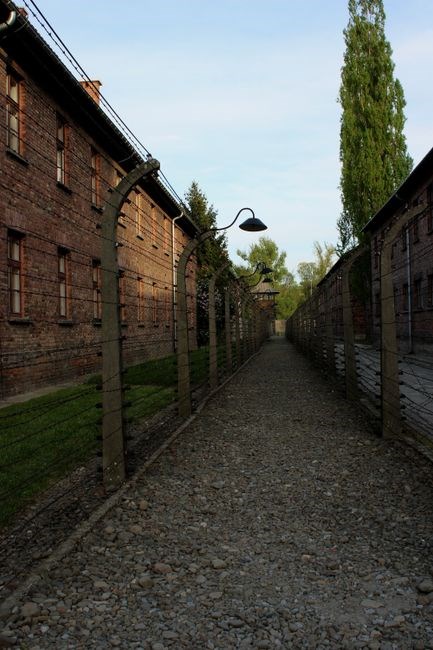
world war 2 and the holocaust guided reading activity
Overview of World War II and the Holocaust
World War II, spanning 1939‑1945, reshaped global politics and triggered the Holocaust, the systematic genocide of six million Jews and others. Guided reading immerses learners in primary sources, fostering critical analysis and empathy toward victims. Students examine maps and diaries for context.!!
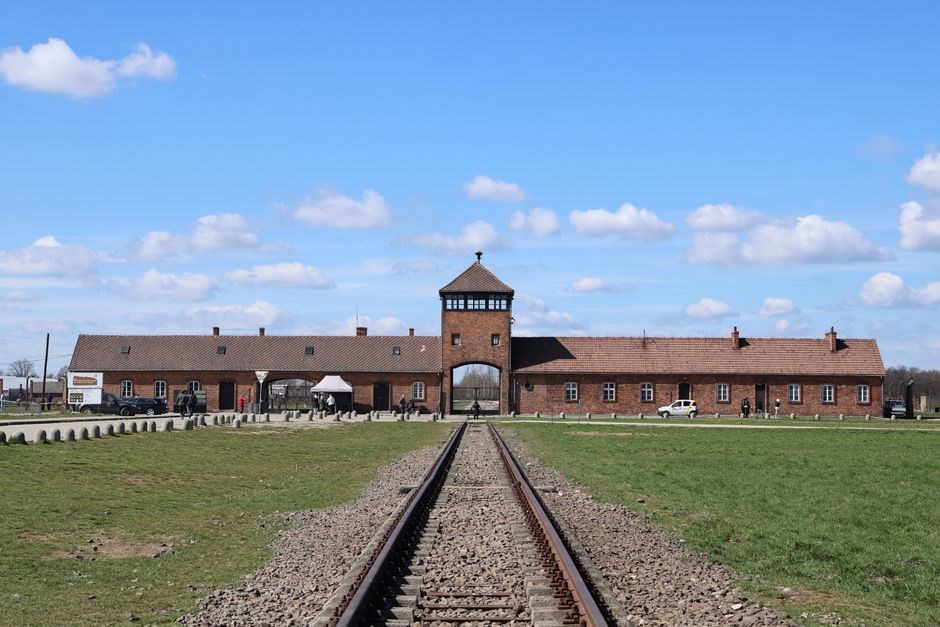
Causes and Major Events of World War II
In 1939, Germany’s invasion of Poland ignited a conflict that would engulf the globe. The Treaty of Versailles, economic turmoil, and the rise of totalitarian regimes created a climate ripe for war. By 1940, Britain and France declared war on Germany, while Italy joined the Axis in 1940; The German Blitzkrieg tactics overwhelmed France, leading to the Dunkirk evacuation and the fall of Paris. The Battle of Britain, fought in 1940‑1941, halted a German invasion and marked a turning point. In 1941, Operation Barbarossa broke the non‑aggression pact, opening the Eastern Front and drawing the Soviet Union into the war. The United States entered after the Japanese attack on Pearl Harbor in December 1941, shifting the balance of power. Key events such as the Battle of Stalingrad (1942‑1943), the Allied invasion of Italy (1943), and the Normandy landings (D‑Day, 1944) gradually pushed Axis forces back. The war culminated in the unconditional surrender of Germany in May 1945 and Japan in September 1945, ending the conflict but leaving a devastated Europe and a world forever altered by the Holocaust. The Holocaust, a systematic genocide orchestrated by Nazi Germany, claimed the lives of six million Jews and millions of others deemed undesirable. Its atrocities, including concentration camps, gas chambers, and mass shootings, remain a stark reminder of humanity’s capacity for cruelty and the necessity of vigilance against hatred. Students analyze sources to grasp magnitude of loss. Students analyze to grasp magnitude of loss deep today. Students reflect on lessons now.
Ideology and Implementation of the Holocaust
Adolf Hitler’s racial doctrine, rooted in pseudo‑scientific eugenics, posits Jews and other minorities as subhuman. The Nuremberg Laws of 1935 stripped Jews of citizenship, while the 1938 Kristallnacht pogrom marked a shift from persecution to violent terror. By 1941, the Wannsee Conference formalized the “Final Solution,” coordinating extermination across occupied Europe. Einsatzgruppen followed the German army, executing mass shootings in the East. Concentration camps—Auschwitz, Treblinka, Sobibor—became industrialized killing centers, employing gas chambers, forced labor, and starvation. The SS, under Heinrich Göring, oversaw the logistics, while the Wehrmacht provided transport and security. Propaganda dehumanized victims, portraying them as parasites. The Holocaust’s implementation relied on bureaucracy, technology, and complicity of local collaborators, illustrating how ordinary structures can facilitate atrocity when ideology overrides morality. Primary documents, survivor testimonies, and archival footage reveal the systematic nature of genocide, underscoring the importance of remembrance and education to prevent recurrence. Through meticulous analysis of archival records, educators can illuminate the bureaucratic machinery that enabled mass murder, while student projects that reconstruct transport routes or decode coded messages deepen engagement and reinforce the imperative that vigilance against hate must be a lifelong commitment for all societies. worldwide. now
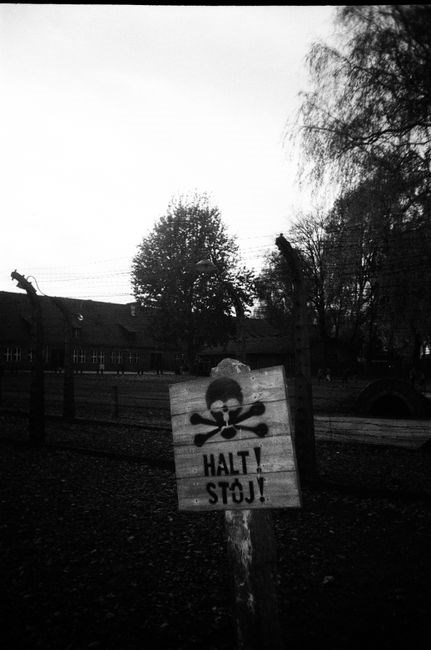
Key milestones also include the 1940 invasion of France, the 1941 Operation Barbarossa that opened the Eastern Front, and the 1942 mass deportations from the Warsaw Ghetto to Treblinka. The 1944 liberation of Auschwitz by Soviet forces and the 1945 Nuremberg Trials, which prosecuted major war criminals, mark the end of the Holocaust. These dates anchor the narrative, allowing students to trace the escalation of violence and the eventual collapse of Nazi power. The 1943 Wannsee Conference formalized extermination logistics, while the 1945 liberation of Bergen‑Belsen revealed camp horrors. The 1945 Nuremberg Trials established legal precedents, ensuring the atrocities would not be forgotten and future generations learn from this darkchapter. The 1942 death camps, including Auschwitz, Treblinka, and Sobibor, became symbols of industrialized murder, while the 1944 Warsaw Uprising demonstrated Jewish resistance. The 1945 liberation of Dachau highlighted the horrors of concentration camps, and the 1945 Allied bombing of Auschwitz revealed the extent of Nazi atrocities. These events collectively illustrate the war’s brutality and the imperative to remember. for all.!
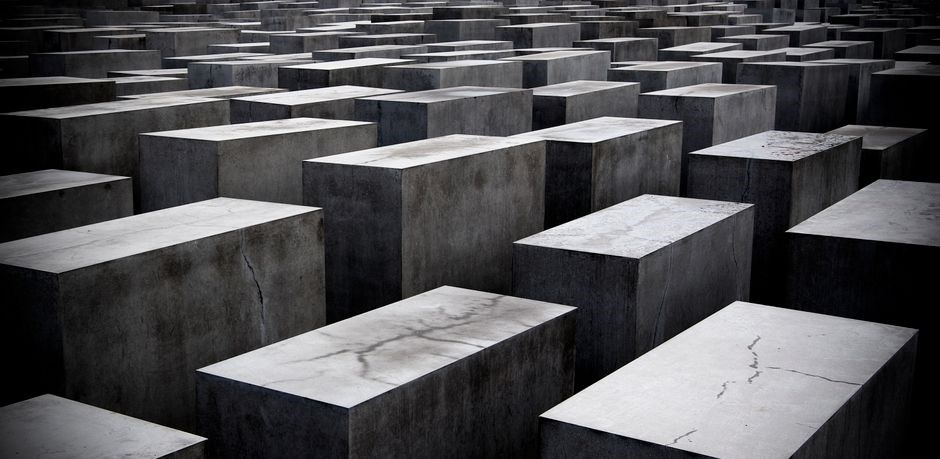
Designing the Guided Reading Activity
Select concise excerpts illustrating key themes. Pose pre‑reading questions to activate prior knowledge, then guide students through close reading, noting language and context. End with reflective prompts linking personal narratives to broader history insight
Learning Objectives and Outcomes
Students will identify key causes of WWII and the Holocaust, analyze primary documents, and evaluate the impact of individual choices. They will develop empathy by reflecting on survivor testimonies, and demonstrate critical thinking through comparative analysis of propaganda and official reports. By the end of the unit, learners will be able to articulate the moral responsibilities that arise from historical injustices and propose strategies for preventing future atrocities.
Students will also examine the ethical dimensions of historical memory, learning how narratives shape collective identity. They will compare primary source excerpts with secondary analyses to identify bias and perspective. Through guided reflection, learners will articulate how individual agency can influence societal outcomes, using case studies of resistance movements and humanitarian interventions. The activity encourages critical evaluation of propaganda, fostering media literacy. By the end, students will produce a reflective essay that synthesizes personal insights with scholarly research, demonstrating an understanding of the Holocaust’s enduring lessons and the importance of vigilance against hate.
Finally, educators will guide students in creating a timeline that maps key events, linking them to primary source excerpts. This synthesis reinforces chronological understanding and illustrates the interplay of political decisions, propaganda, and human responses, in a grasp of WWII’s complexity and the Holocaust’s legacy!!!
Choosing primary sources for a guided reading on WWII and the Holocaust demands a careful balance between authenticity and accessibility. Teachers should select diary excerpts, survivor testimonies, and official documents that illustrate Nazi policy progression while remaining readable for the target age group. Complementary materials—propaganda posters, photographs, audio clips—add visual and auditory context, helping students grasp the era’s complexity. Digital archives such as the United States Holocaust Memorial Museum and the Library of Congress provide searchable collections, enabling educators to tailor content to curriculum standards and learning objectives. When integrating multimedia, pre‑screening for age‑appropriateness and cultural sensitivity is essential, ensuring that all materials support respectful and accurate learning. These resources empower students examine history advocate for rights.
Structuring Discussion Prompts and Questions
Effective discussion scaffolds begin with open‑ended questions that connect personal experience to historical facts. Start by asking students to identify emotions in a diary entry, then progress to higher‑order questions about cause and consequence. Use a tiered approach: level one prompts surface details (“What event is described?”), level two encourages analysis (“Why did the author feel this way?”), and level three invites synthesis (“How might this testimony inform contemporary human rights debates?”). Incorporate think‑pair‑share activities, allowing learners to articulate initial responses before sharing with the class. Provide guiding rubrics that highlight evidence, reasoning, and empathy. Conclude with reflective prompts that ask students to consider how the past shapes present values and responsibilities.
Teachers can also use visual timelines, maps, and interactive quizzes to reinforce chronology and cause‑effect relationships. By encouraging students to annotate primary documents, they develop critical reading skills and a deeper appreciation for the human stories behind statistics. The guided reading framework should culminate in a collaborative project where learners create a multimedia presentation that reflects their understanding of the Holocaust’s impact on modern society.
Finally, assess learning through reflective journals where students record evolving perspectives, ensuring guided reading fosters empathy and engagement!!
Primary Sources and Supplementary Resources
Explore survivor diaries, official documents, and photographs from archives such as Yad‑Shem and the United States Holocaust Memorial Museum; Interactive online exhibits and video testimonies deepen context, while primary source analysis fosters critical thinking and empathy; Students review sources
Survivor Testimonies and Diaries
Survivor testimonies and diaries provide intimate, first‑hand accounts that bring the abstract horrors of the Holocaust into vivid, personal reality. Teachers can incorporate audio recordings, handwritten excerpts, and digital transcriptions from institutions such as the USC Shoah Foundation, Yad‑Shem, and the United States Holocaust Memorial Museum. These primary sources allow students to trace individual narratives—stories of resilience, loss, and moral choice—within the broader historical framework. By engaging with the emotional language of survivors, learners develop empathy and critical reflection, while also honing analytical skills as they compare divergent experiences across camps, ghettos, and resistance movements. Structured activities might include guided annotation of diary passages, role‑playing interviews, and reflective writing that connects personal testimony to key historical events. The integration of survivor voices not only enriches historical understanding but also underscores the enduring importance of remembrance and the ethical responsibility to prevent future atrocities.
Students can also access digital collections that feature annotated photographs, letters, and film footage, allowing them to contextualize the emotional weight of each testimony. By cross‑referencing dates and locations, learners can map the progression of persecution and resistance, fostering a nuanced grasp of the era’s complexity. This approach deepens insight students.
Official Documents, Propaganda, and Photographs
Official documents—such as the Nuremberg trial transcripts, the 1935 Reichstag decrees, and the 1942 “Final Solution” directives—serve as stark evidence of state‑mandated policy. When paired with propaganda posters from the Ministry of Propaganda, students can analyze how language and imagery were weaponized to dehumanize targeted groups. Photographs from the Auschwitz and Treblinka archives, available through the United States Holocaust Memorial Museum and Yad‑Shem, provide visceral visual testimony. By comparing the sterile, bureaucratic tone of legal texts with the visceral immediacy of images, learners discern the dissonance between policy and lived experience. Digital archives such as the Shoah Foundation’s Visual History Archive allow educators to embed interactive timelines, enabling students to trace the evolution of anti‑Jewish legislation alongside the proliferation of Nazi propaganda. Critical‑analysis worksheets encourage students to annotate primary sources, identify rhetorical devices, and assess the impact of visual media on public perception.
Teachers can overlay maps of refugee routes and anti‑Jewish decrees, giving students a spatial lens to grasp the scale of persecution.
Online Archives and Multimedia Platforms
Digital repositories such as the United States Holocaust Memorial Museum’s Online Archive of the Holocaust, Yad‑Shem’s Digital Archive, and the Shoah Foundation Visual History Archive provide searchable collections of survivor testimonies, photographs, and official documents. Interactive timelines on the History.com WWII section allow students to correlate key events with primary sources. The PBS LearningMedia playlist offers short documentary clips that contextualize the rise of Nazi ideology. Teachers can embed these videos into lesson plans, using guided questions to prompt critical reflection. The National Archives Education portal hosts digitized wartime newspapers and government reports, enabling students to practice source evaluation. Mobile-friendly platforms like TED Talks on the Holocaust and Khan Academy WWII series provide accessible explanations for diverse learning styles. By using these archives, teachers foster empathy and critical thinking instudentsnow.
Assessment, Reflection, and Further Learning
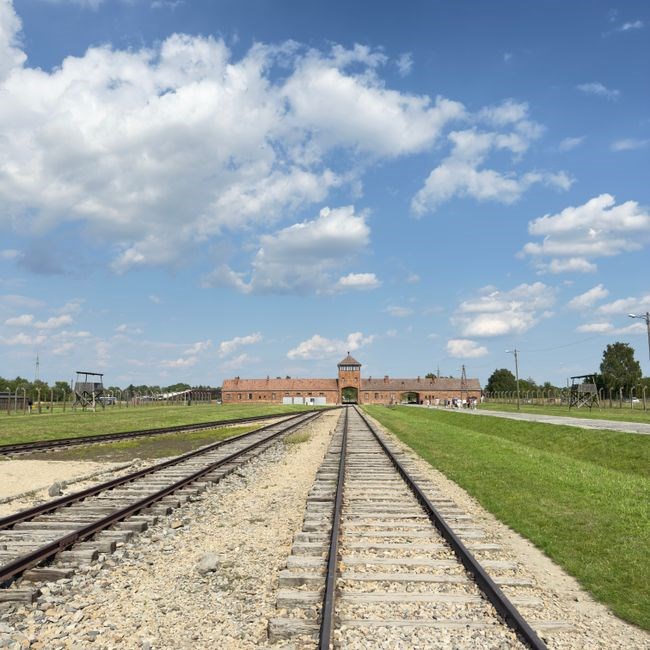
Use formative quizzes, reflective journals, and peer discussions to gauge comprehension. Encourage students to write empathy essays and compare primary sources. Suggest books like “Night” and online courses on the Holocaust for deeper exploration.
Formative Assessment Techniques
Formative assessment in a guided reading unit on World II and the Holocaust blends quick checks with reflective tasks. Begin each session with a 2‑minute exit ticket: students write one question that arose while reading a diary excerpt or a propaganda poster. Follow with a think‑pair‑share on a prompt such as, “How does the language in this text shape our perception of the victim?” Use a digital rubric that scores comprehension, inference, and empathy. Incorporate peer‑review circles where students annotate classmates’ marginalia, offering constructive feedback on evidence use. Mid‑unit, administer a short multiple‑choice quiz that targets key dates, terminology, and causal links. Finally, close the unit with a collaborative concept map that students build in groups, linking causes, events, and personal narratives, and then present it to the class. These layered techniques provide continuous data on understanding while fostering critical thinking and historical empathy.
After collecting exit tickets and quiz results, teachers can use data dashboards to identify misconceptions and adjust instruction. A reflective rubric encourages students to self‑assess their empathy growth, noting how their perspective shifts after each reading. Group debriefs allow learners to discuss moral dilemmas presented in primary sources, fostering a deeper grasp of historical context and ethical reasoning.
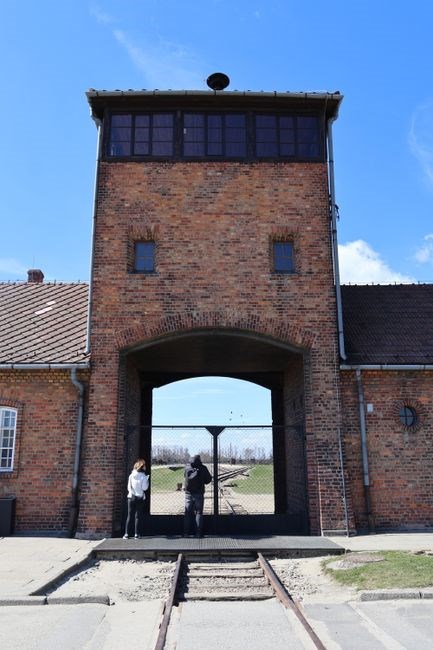
Formative tools guide students to remember history and grow empathy and critical insight.
Reflective Writing and Empathy Exercises
Students then analyze how language shapes memory, noting that words can either honor or dehumanize. By comparing wartime propaganda with survivor testimony, learners see the power of narrative framing. The activity culminates in a video that connects historical lessons to responsibility, reinforcing the idea that remembrance fuels vigilance against hate.
Suggested Further Reading and Resources
For deeper exploration, teachers can direct students to the following books, documentaries, and digital archives. Each resource offers a distinct perspective—historical analysis, survivor testimony, or interactive learning tools—to complement the guided reading activity.
- “Night” by Elie Wiesel – A harrowing memoir that humanizes the Holocaust experience.
- “The Diary of Anne Frank” – First‑hand account of a young girl in hiding.
- “The Rise and Fall of the Third Reich” by William L; Shirer – Comprehensive narrative of Nazi Germany.
- “The Holocaust” (PBS Documentary) – Visual chronicle with archival footage.
- United States Holocaust Memorial Museum Digital Collections – Online repository of photographs, documents, and oral histories.
- “Teaching the Holocaust” by David G. Rosner – Pedagogical guide for educators.
- “The Holocaust Explained” (Khan Academy Video Series) – Accessible overview for younger audiences.
- Yad Vashem Interactive Timeline – Chronological map of key events.
- “The Holocaust: A New History” by Laurence Rees – Provides updated research and personal narratives;
- “The Holocaust: A Guide for Teachers” by the Holocaust Educational Trust – Offers structured lesson plans and discussion prompts.
- “The Holocaust: A Survivor’s Story” by Raul Hilberg – Analytical study of Nazi policies.
- “The Holocaust: A Visual History” by the National Holocaust Museum – Gallery of photographs with contextual essays.
- “The Holocaust: A Global Perspective” by Christopher Browning – Examines international responses.
Teachers can also incorporate interactive simulations such as the “Holocaust Survivor Simulation” available on the USC Shoah Foundation website, allowing students to experience decision‑making under extreme circumstances. These materials provide varied entry points for students to engage with the complex history of World War II and the Holocaust, encouraging critical thinking, empathy, and a lifelong commitment to remembrance.